Timing matters in NFL touchdown betting, and not just in the “when to place your bet on Sunday” sense. The NFL season has a rhythm — phases that shift the availability, reliability, and value of TD prop markets throughout the year. Understanding that rhythm from a UK punter’s perspective helps you plan your bankroll, schedule your research, and know when the market offers the best opportunities versus when it’s better to sit tight.
The 2025 season generated a projected $30 billion in legal US betting handle, and that volume is spread unevenly across the calendar. The peaks and troughs map directly onto changes in TD prop market quality, and UK bettors who align their activity with those patterns get better value for their time and money.
Market Deadlines Calendar: Prop Expansion from Preseason to Super Bowl
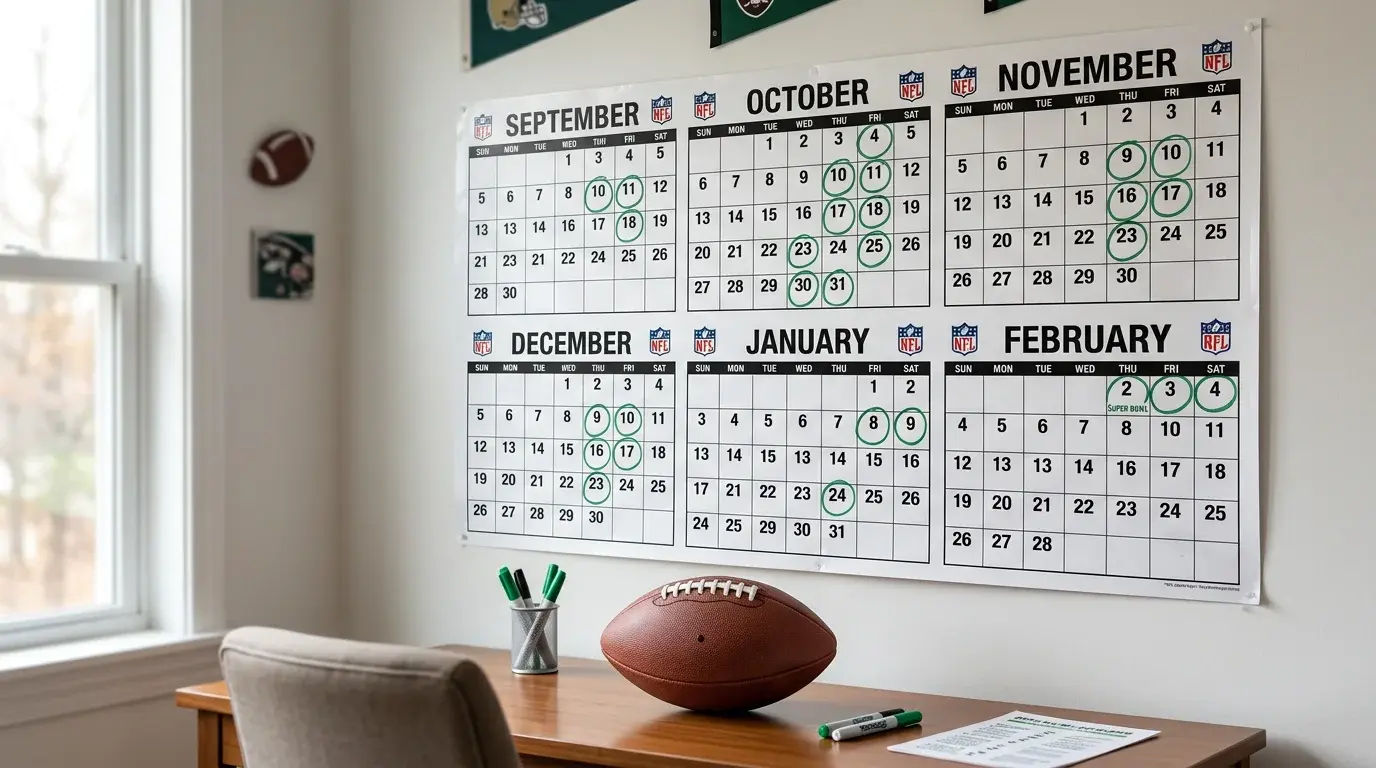
The NFL calendar divides into five distinct phases for betting purposes, and each one offers a different TD prop landscape.
The preseason runs from early August to early September. TD prop markets are either unavailable or extremely limited during this period. Preseason games feature backup players, experimental schemes, and rosters that haven’t been finalised. Any touchdown scorer odds available for preseason fixtures are priced with enormous uncertainty, and I avoid them entirely. The one useful activity during preseason is research — studying which rookies are earning first-team reps, which veterans are locked into goal-line roles, and which teams are installing new offensive schemes that might change touchdown distribution.
The early regular season, Weeks 1 through 4, is when TD prop markets fully open but carry the most pricing uncertainty. Bookmakers are working from the previous season’s data and preseason projections rather than current-year performance. This creates both opportunity and risk. Opportunity, because the odds may not reflect genuine changes in a player’s role — a running back who has taken over goal-line duties from a departed teammate may still be priced at last year’s backup rate. Risk, because small sample sizes make your own analysis less reliable too. I bet at reduced volume during weeks 1-4, focusing on the clearest role changes rather than trying to outsmart the market on matchup data that barely exists yet.
The mid-season, Weeks 5 through 12, is the sweet spot for TD prop betting. By this point, enough games have been played to establish reliable red zone data, positional tendencies, and defensive matchup profiles. The odds are more efficiently priced than in the early weeks, but enough information accumulates between Monday and Sunday each week to create genuine edges. This is when I allocate the largest share of my bankroll and research time.
The late season, Weeks 13 through 18, introduces complicating factors. Playoff-clinched teams may rest starters in meaningless games. Teams eliminated from contention sometimes shift their offensive approach, giving young players more opportunities. Weather becomes a major factor across cold-weather venues. The data is rich and reliable, but the context shifts — you need to adjust for motivation and rest decisions alongside the usual matchup analysis.
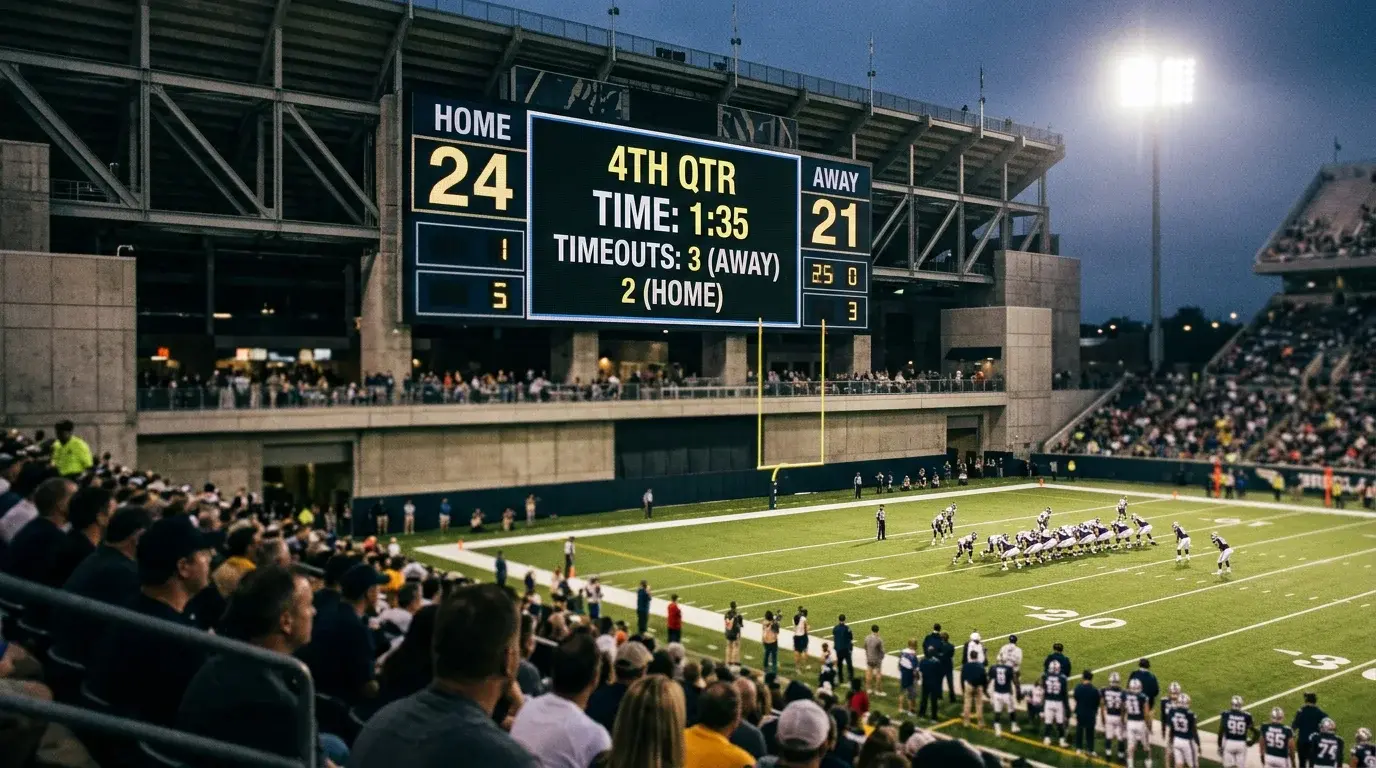
The playoffs and Super Bowl represent the peak of market attention. TD prop coverage expands, promotional offers multiply, and betting volume spikes. The quality of teams narrows — you’re dealing with the league’s best offences and defences — and the stakes produce game plans that can diverge significantly from regular-season tendencies. Playoff TD props demand a different analytical lens, one that weights coaching adjustments and defensive game-planning more heavily than regular-season numbers.
The Weekly Timeline: When Markets Open and Close
Within each week of the season, TD prop markets follow a predictable schedule that UK bettors should build into their routine.
Opening lines for the following week’s games typically appear on Sunday evening or Monday morning UK time, shortly after the current week’s results are finalised. These opening odds reflect the bookmaker’s initial assessment and haven’t been adjusted for sharp action, injury reports, or public money. If you have strong convictions about a pick based on your analysis, the opening line often offers the best available price — but the risk is that injury or news developments between Monday and Sunday could invalidate your reasoning.
Wednesday through Friday is when the market matures. Injury reports are published, weather forecasts sharpen, and sharp bettors begin placing their wagers. Lines move — sometimes significantly — in response to this information. For most UK punters, Thursday evening through Friday evening is the ideal placement window, because you’ve absorbed the key injury data but the lines haven’t fully adjusted to Saturday’s final news cycle.
Saturday and Sunday morning bring the final adjustments. Inactive lists drop 90 minutes before kickoff, and any last-minute news causes rapid line movement. If you’ve been tracking a pick all week and the line has moved in your favour, you may find even better value at this stage. If it’s moved against you, that’s often a signal that sharp money disagrees with your assessment — worth noting, though not necessarily a reason to abandon your pick if your analysis is sound.
Sky Sports has extended its NFL partnership beyond 30 years, ensuring comprehensive coverage continues for UK viewers. That broadcasting consistency means you can build a reliable weekly research schedule around the broadcast calendar — previews air Thursday and Friday, injury updates flow through Saturday, and the full Sunday experience runs from 6:00 PM to well past midnight GMT.
Key NFL Dates for UK Bettors
Several calendar events carry particular significance for UK-based TD prop bettors.
The London games, typically scheduled in October, are the headline events. Since 2007, the NFL has staged 39 regular-season games in the UK, and these fixtures consistently produce the highest TD prop betting volumes among British punters. London games kick off at UK-friendly times — 2:30 PM or 6:00 PM local — and bookmakers offer enhanced markets and promotions around them. Mark these dates as soon as the NFL schedule is released, usually in May, and begin your research well in advance.
The Thanksgiving tripleheader in late November is another high-volume date. Three games on a single Thursday, broadcast across the full UK evening, create a concentrated betting opportunity. The Thursday scheduling means injury reports follow a compressed timeline, which can produce less efficient odds for alert punters.
The Super Bowl in early February is the single biggest betting event of the year. UK bookmakers open Super Bowl TD prop markets two weeks before the game, giving you ample time to research the matchup. The late-night kickoff (approximately 11:30 PM GMT) makes it a genuine cultural event in the UK, and the promotional offers around it are the most generous of the season.
The NFL Draft in late April and free agency in March are worth tracking even though no games are played. Player movement during these periods reshapes touchdown scoring projections for the coming season. A running back who signs with a team known for heavy goal-line rushing immediately becomes a TD prop candidate, and early-summer research gives you a head start before the markets open in September.