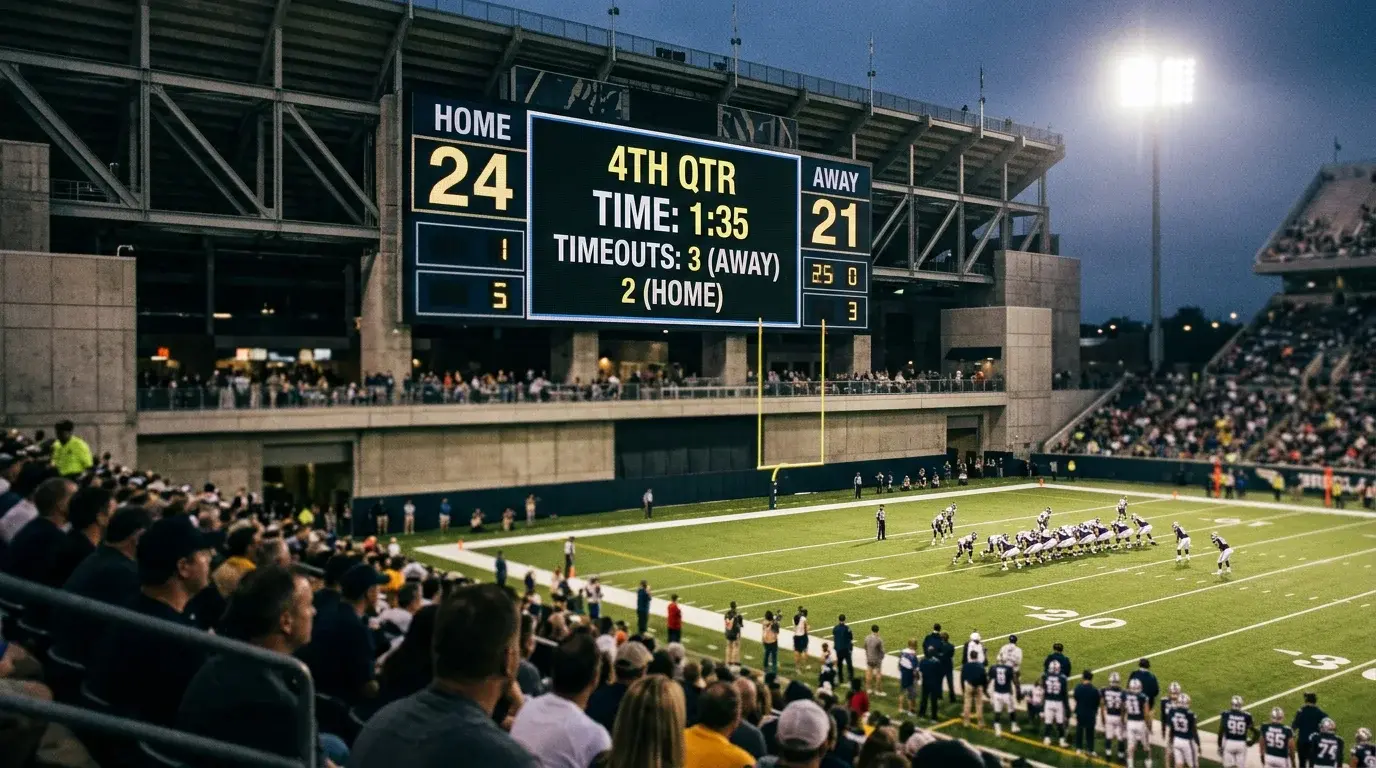

It was a Sunday night game, tied at 24 with forty seconds left in the fourth quarter. I had an anytime touchdown scorer bet on a running back who’d been bottled up all night – zero touchdowns through regulation. Then the game went to overtime. Second drive, he punched it in from the three-yard line. My question, in the ten seconds between the touchdown and checking my bet slip, was the same one every punter asks: does that actually count?
The answer depends on your bookmaker, and it depends on the type of touchdown scorer bet you placed. I’ve spent years tracking exactly how different UK operators handle overtime, and the reality is less uniform than most punters assume. This is one of those areas where a five-minute read before the season can prevent a genuinely painful surprise.
Bookmaker Compliance: Settlement Rulings on Extra-Period Props
I check these rules every August, and I’ve learned to never assume last season’s policy still applies. Bookmakers update their terms more frequently than most punters realise, particularly after regulatory pressure or high-profile disputes.
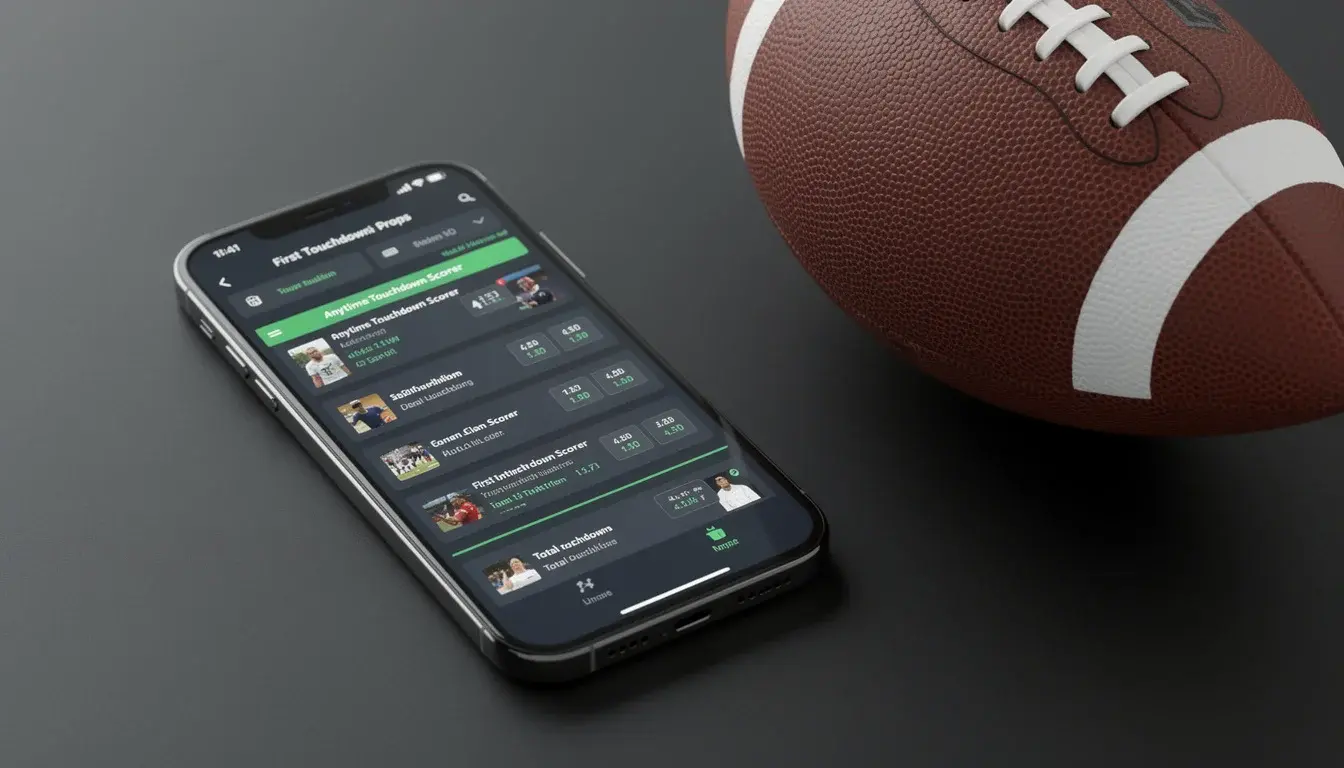
The general pattern across UK-licensed operators is that anytime touchdown scorer bets include overtime. If your player scores at any point during the game – including the overtime period – your bet wins. This is the majority position, and it’s held fairly stable over the past several seasons. The logic is intuitive: “anytime” means any time during the game, and overtime is part of the game.
But there are exceptions. A small number of bookmakers define their anytime touchdown scorer market as covering “regular time only” – meaning the four regulation quarters, excluding overtime. Under these terms, a touchdown scored in OT would not settle your anytime bet as a winner. I’ve encountered this wording at smaller operators and occasionally at larger ones that have restructured their NFL prop rules after a rule change. The difference is buried in the market-specific terms, not in any prominent announcement.
First touchdown scorer bets are where the divergence gets sharper. Some bookmakers define “first touchdown” as the first score of the game, full stop – whether it comes in the first quarter or in overtime of a scoreless regulation (rare, but theoretically possible). Others restrict the first touchdown determination to regulation play only. In practice, this distinction almost never matters, because NFL games virtually always produce at least one touchdown during regulation. But the principle matters for understanding how your bookmaker thinks about overtime.
Last touchdown scorer bets are more consistently affected. If the game goes to overtime and a touchdown is scored in OT, most bookmakers that include overtime will treat the OT touchdown as the last touchdown of the game. This can flip the result of your bet entirely – a player who scored the final regulation TD would have won your last touchdown bet in a regulation-only settlement but loses under OT-inclusive rules.
In-play betting over 60% of all online football wagers in Europe are placed live, and live touchdown markets during overtime add another dimension. Some bookmakers suspend touchdown scorer markets once overtime begins, while others keep them open with adjusted odds. If you’re placing live bets, confirm whether the in-play market you’re betting into includes or excludes the OT period.
How the Current NFL Overtime Format Works
The NFL changed its overtime rules in 2022, and the impact on touchdown scoring – and therefore on touchdown bets – was significant enough that I restructured parts of my own betting approach.
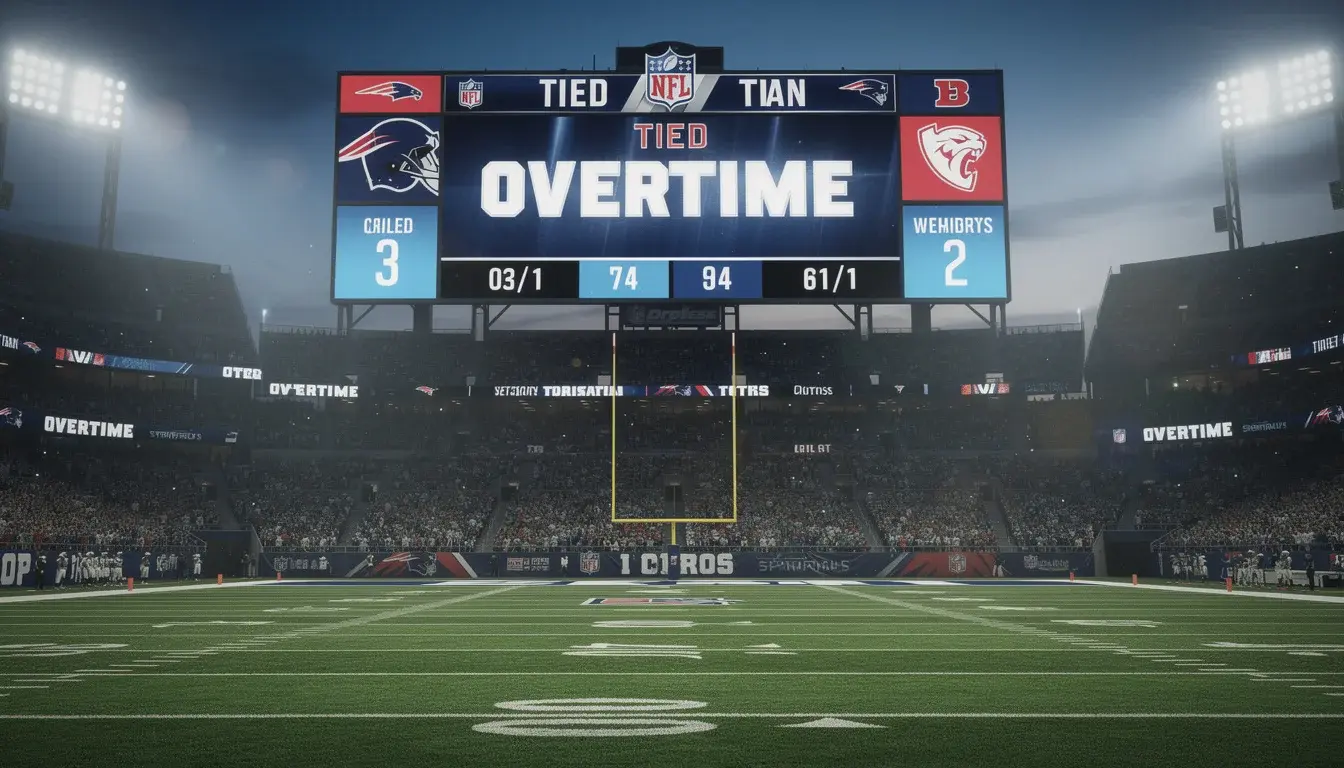
Under the current format, both teams are guaranteed at least one possession in overtime during the regular season and playoffs. Previously, the team that won the coin toss could win the game by scoring a touchdown on the opening drive, without the other team ever touching the ball. That rule created a massive first-possession advantage. Now, even if the first team scores a touchdown, the second team gets a chance to respond.
This change has a direct effect on touchdown frequency in overtime. Under the old rules, a quick touchdown could end the game immediately, meaning fewer total plays and often just one scoring opportunity. Under the current format, overtime can produce multiple touchdowns – one from each team’s possession, and potentially more if the game remains tied. For anytime touchdown scorer bettors, this is broadly positive: more possessions mean more opportunities for your player to score.
Regular season overtime lasts a single ten-minute period. If the score is still tied after that period, the game ends as a draw – one of the few scenarios in American professional sports where a tie is the final result. Playoff overtime is sudden death after both teams have had at least one possession: if the score is tied after the initial possessions, the next score of any kind wins the game. This distinction matters because playoff overtime can theoretically last multiple periods, increasing touchdown opportunities further.
The 2025 NFL season averaged 18.7 million viewers per game, the second-highest figure in the league’s history. With that level of attention, overtime games generate enormous betting interest, and the touchdown scorer markets during these high-profile finishes see some of the heaviest action of the week.
How Overtime Affects Touchdown Scoring Frequency
I ran the numbers across three full seasons after the rule change, and the pattern is clear: overtime games produce more total touchdowns than they did under the old format, but the distribution of who scores shifts in ways that matter for betting.
Under the previous rules, the team winning the coin toss scored a touchdown on the opening drive in roughly 25-30% of overtime games, ending the contest immediately. The opposing team’s offensive players had zero additional chances to score. For anytime touchdown scorer bettors, this was brutal – if your player was on the team that lost the toss, his game was functionally over.
The current rules guarantee that scenario can’t happen. Both offences will touch the ball at least once, meaning your player gets at least one more series of plays to find the end zone. In practical terms, this has increased the average number of overtime possessions and, consequently, the number of touchdown opportunities.
The shift also affects which positions benefit most. In a short overtime drive under pressure, teams tend to rely on their most trusted playmakers – typically the top running back and the number one wide receiver. Role players and secondary options see fewer overtime snaps than they do in regulation. If you’re holding an anytime bet on a depth receiver or a committee running back, overtime is less helpful than it appears on paper, because those players are less likely to be on the field during the compressed, high-stakes possessions.
Game script also plays a role. A team that’s been trailing all game and forcing the ball through the air to catch up will often shift to a more balanced approach in overtime, when the situation resets. Conversely, a team that dominated on the ground in regulation may open up the passing game in overtime to catch the defence off guard. These adjustments can create unexpected scoring opportunities – and unexpected value for bettors who anticipate the shift.
My practical advice: if you’re specifically interested in how overtime rules affect your betting approach, it’s worth understanding the full settlement framework at your chosen bookmaker. The OT question is just one piece of a larger puzzle, and the more pieces you understand, the fewer surprises you’ll encounter when it matters most.