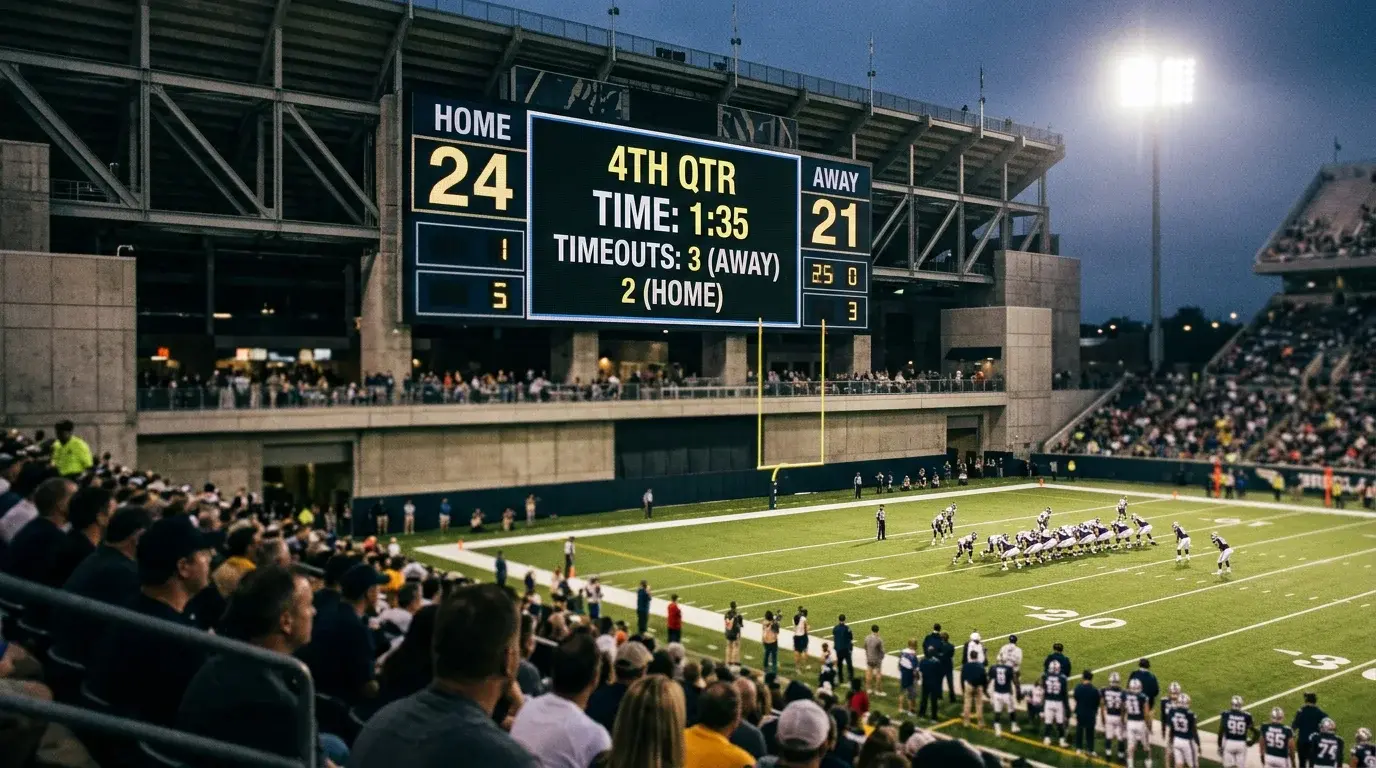

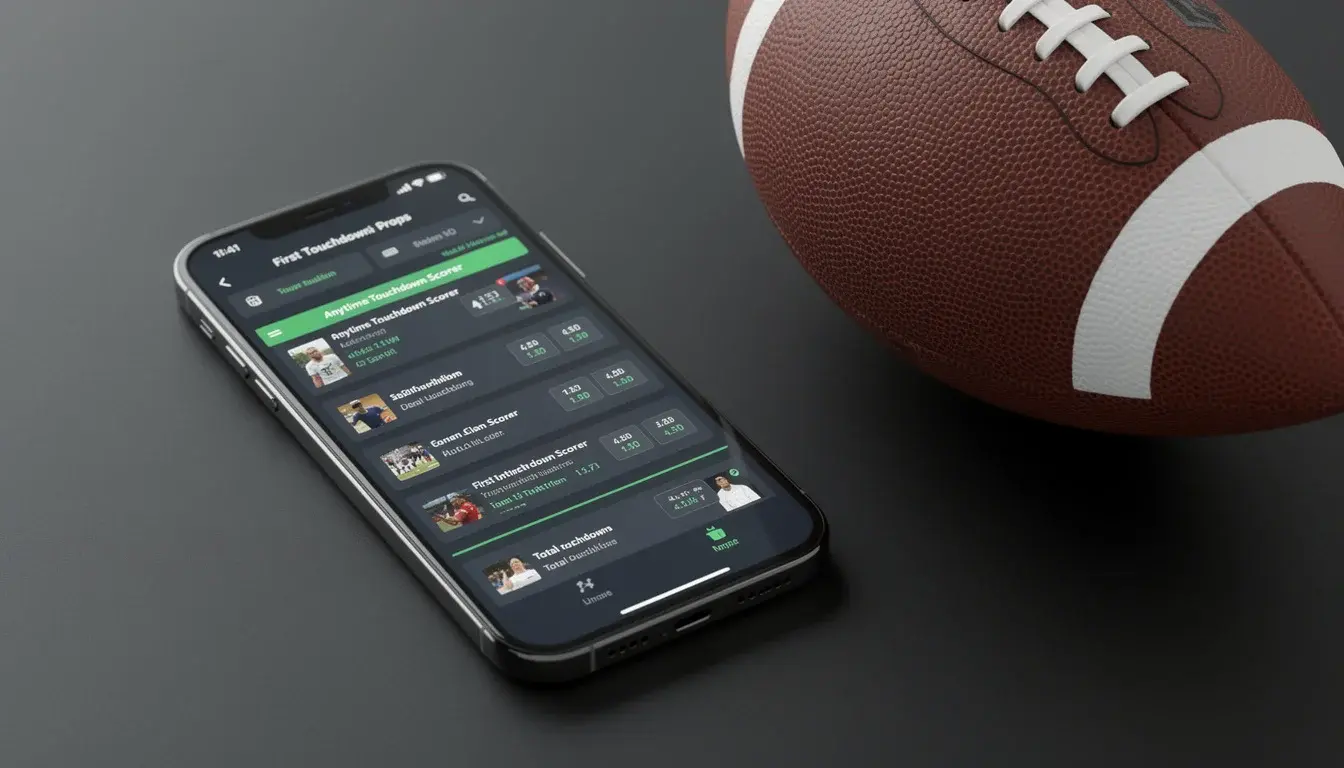
The bet builder changed how I approach NFL Sundays. Before this feature existed at UK bookmakers, combining a touchdown scorer pick with a match result or a player yardage prop meant placing separate bets and hoping they all landed independently. Now I can package them into a single slip, within the same game, and see the combined odds instantly. It’s elegant. It’s also a trap if you don’t understand what you’re actually building.
I’ve spent years testing different bet builder combinations on NFL touchdown props, and the conclusions are sometimes counterintuitive. Some combinations that feel clever actually destroy value. Others that seem straightforward are where the real opportunities live. Let me walk you through how these tools work and how to use them without falling into the most common pitfalls.
Smart Ways to Combine Touchdown Legs
Over a dozen seasons of testing, I’ve found that the most profitable bet builder combinations for TD props share a common feature: they exploit correlations that the bookmaker underprices, rather than correlations the bookmaker has already factored in.
The most obvious combination – and therefore the most heavily adjusted – is pairing a team’s running back to score with that team to win. Every punter thinks of this, every bookmaker prices it aggressively, and the result is a combined price that usually offers less value than betting each leg separately. I avoid this pairing unless the odds are notably generous.
A better approach: combine a touchdown scorer with an opposing team stat. For example, pair a running back’s anytime TD with the opposing team’s total under a certain number of points. The logic is that a dominant running back scoring touchdowns suggests his team controls the game, which in turn limits the opposing offence’s scoring opportunities. This is a correlation that exists in reality but isn’t always fully priced into the bet builder algorithm, especially at bookmakers that use simpler correlation models.
Another combination I use regularly: a wide receiver’s anytime TD paired with his own team’s total over a high threshold. If you believe a team is going to score a lot, the players who facilitate that scoring – particularly the top receiver – are the natural TD candidates. The correlation here is strong and logical, and while bookmakers adjust for it, the adjustment is sometimes less severe than the running back + team win pairing.
What to avoid: stacking multiple touchdown scorers from the same team in a bet builder. If you pick two players from the same offence to each score a TD, you need the team to score at least twice through those specific players. The odds look attractive because each leg is multiplied, but the reality is that most teams’ touchdown distribution is unpredictable – the backup tight end might vulture a score that you needed to go to your running back. Each added TD leg from the same team dramatically reduces the probability of the entire bet landing.
Keep your bet builders to two or three legs. Every additional leg multiplies not just the odds but the probability of failure. A three-leg bet builder with each leg at 60% probability has a combined probability of about 21.6% – meaning it loses nearly four out of five times. Add a fourth leg at 60% and you’re down to 13%. The payouts get bigger, but the hit rate gets punishing.
Which UK Bookmakers Offer NFL Bet Builders
Not all bet builders are created equal, and the differences matter more than most punters realise.
The major UK bookmakers – the ones with the heaviest NFL prop coverage – all offer bet builder functionality for American football, but the range of available legs varies considerably. Some bookmakers allow you to combine touchdown scorer picks with detailed player stats like rushing yards, receiving yards, and receptions. Others limit the combinations to broader markets like match result and total points. The more legs a bookmaker makes available, the more creative (and complex) your combinations can be.
Around 10% of the UK population bets on sports online, and the growth of that market has pushed bookmakers to expand their bet builder offerings for international sports, including the NFL. What was once a football (soccer)-only feature is now available across most major sports at most major operators. But the depth of NFL coverage still lags behind Premier League coverage at many UK bookmakers, so don’t assume your bookmaker offers the same bet builder flexibility for an NFL game that it does for a Saturday afternoon football match.
The correlation adjustments also differ between bookmakers. Two operators might offer the same combination but at noticeably different combined odds, because their underlying correlation models disagree on how strongly the legs are related. This is where odds comparison becomes even more important than it is for standalone bets – the adjusted price on a bet builder is subjective, and the variation between bookmakers can be significant.
My recommendation: open the bet builder for the same game at two or three bookmakers and build the same combination at each one. Compare the combined odds, and place your bet at the one offering the best price. This takes three minutes and can mean a 10-15% difference in your combined odds on a single bet. Over a season, that kind of margin advantage compounds meaningfully. For a deeper look at how parlays and accumulators affect your expected returns, the parlay strategy breakdown covers the mathematics in full.