Regulation shapes every aspect of NFL betting in the UK — from the odds you see on your screen to the limits on your account to the promotions bookmakers can offer. The UK gambling industry generates £16.8 billion in gross gambling yield annually, and the regulatory framework governing that industry has tightened considerably in recent years. For NFL punters, these changes aren’t abstract policy debates; they affect your day-to-day betting experience in concrete ways.
Understanding the regulatory landscape doesn’t make you a lawyer, but it does make you a more informed bettor. Knowing why your bookmaker is asking for documentation, why odds might be shifting, and what protections exist if something goes wrong puts you in a stronger position.
Compliance Systems: Remote Gaming Duty Adjustments and KYC Verification Steps
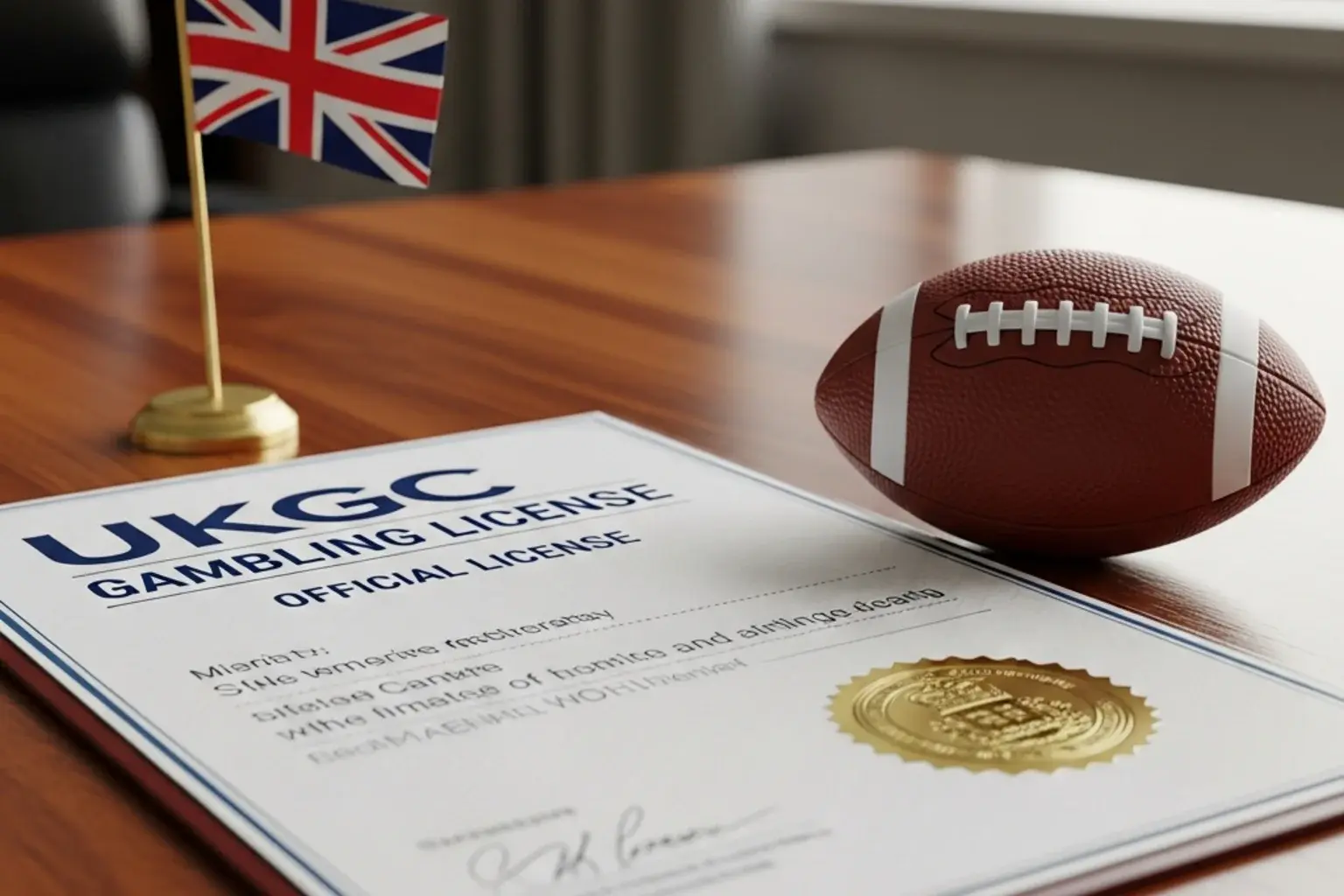
The UK Gambling Commission licenses and oversees every operator that offers betting services to British customers. That includes every bookmaker where you place NFL touchdown props. If a platform doesn’t hold a UKGC licence, it’s not legal for UK residents to use — and more importantly, you have no regulatory protection if something goes wrong.
The UKGC’s enforcement activity has accelerated sharply. In the 2024/25 period, the Commission conducted 9,700 compliance actions — more than double the 4,200 actions from the previous year. These actions range from formal warnings to licence revocations and financial penalties. The message to operators is unambiguous: comply with the rules or face consequences. For punters, this heightened enforcement means the bookmakers you use are under genuine pressure to settle bets fairly, handle complaints properly, and maintain transparent terms.
The UK currently has 5,825 licensed betting shops, a number that’s declined 1.8% year on year as the industry continues its shift toward online platforms. The remote (online) sector now dominates, and the regulatory framework has followed that shift. Nearly all the major regulatory changes in recent years have targeted online operators, which is where the overwhelming majority of NFL prop betting takes place.
For NFL-specific betting, the UKGC doesn’t regulate the sport differently from any other. The same consumer protections, advertising standards, and responsible gambling requirements apply whether you’re betting on Premier League football or NFL touchdown props. The practical implication is that every tool and protection described in the Commission’s guidance — deposit limits, self-exclusion, complaint resolution — is available to you for your NFL betting activity.
Remote Gaming Duty Rise: Impact on Odds and Markets
The single most significant regulatory change facing UK bettors in 2026 is the increase in remote gaming duty from 21% to 40%, effective April 2026. This near-doubling of the tax rate on online gambling revenue will reshape the economics of every UK bookmaker, and the effects will filter through to the odds you see on NFL touchdown props.
The mechanism is straightforward. Bookmakers operate on margins — the overround built into their odds. The remote sector generated £7.8 billion in gross gambling yield in 2024/25, a 13.1% year-on-year increase. At a 21% duty rate, operators paid roughly £1.6 billion in tax on that yield. At 40%, the bill nearly doubles. Operators have three options for absorbing the increase: accept lower profits, reduce costs elsewhere, or widen their margins by offering less generous odds.
Most analysts expect a combination of all three, but the outcome most visible to punters will be wider margins on betting markets. For TD props, this means the overround on anytime and first touchdown scorer markets is likely to increase by 1-3 percentage points. An anytime TD bet that might have been priced at 2.50 under the old duty regime could drift to 2.40 under the new one, reflecting the bookmaker’s need to retain more of each pound wagered.
The practical response for punters is twofold. First, line shopping becomes even more important. Not all operators will adjust their margins equally or simultaneously, so comparing odds across three or four bookmakers for each TD pick will capture whatever value remains. Second, be more selective with your bets. If margins widen across the board, the threshold for positive expected value rises — you need a larger edge per bet to overcome the increased house take. Betting fewer, higher-conviction picks is the rational adjustment.
What These Regulations Mean for NFL Bettors
The regulatory environment creates friction — affordability checks, documentation requests, margin adjustments — but it also provides genuine protection that makes UK betting safer than almost any other jurisdiction in the world.
The £150 net spend threshold for affordability checks, introduced in February 2025, is a prime example. It can feel intrusive when your bookmaker asks for proof of income after a losing month, but the mechanism exists to catch unsustainable spending patterns before they escalate into harm. Disciplined bettors with well-managed bankrolls rarely trigger these checks, and when they do, the process is typically resolved within a few days.
The AGA’s Bill Miller has described the broader industry approach well, noting that legal, regulated betting comes with strong consumer protections and a shared commitment to responsibility, encouraging fans to have a game plan before placing a bet and ensuring the experience remains enjoyable regardless of outcomes. That philosophy applies equally to the UK market, where the regulatory infrastructure backs up the sentiment with enforceable rules.
For NFL prop bettors specifically, the regulatory framework means you can bet with confidence that your bookmaker is licensed, your funds are protected, your bets will be settled according to published rules, and you have recourse through the UKGC if disputes arise. Those aren’t guarantees available in unregulated markets, and they’re worth the trade-off of slightly tighter odds and occasional compliance requirements.
The regulatory direction is clear: tighter oversight, higher taxes, and stronger consumer protections. None of these changes make NFL touchdown betting impossible or unprofitable — they make it harder to be careless. Punters who approach the market with discipline, track their results, manage their bankroll, and stay informed about the responsible gambling tools available to them will continue to find value. The regulation filters out recklessness, not skill.