
Every NFL game begins with a plan. Before the opening kickoff, offensive coordinators have scripted their first 15 to 25 plays — a pre-designed sequence intended to test the defence, establish tempo, and exploit specific weaknesses identified during the week’s film study. These scripted sequences are one of the NFL’s least discussed yet most predictable elements, and for first touchdown scorer bettors, they offer a rare window of genuine informational advantage.
Understanding how opening scripts work, who they favour, and where to find the data that reveals them can meaningfully improve your first TD picks. The opening drive and the plays immediately following it operate under different conditions than the rest of the game, and that difference is where the edge lives.
Opening Drive Analysis: Scripted Play Trends and First TD Probability
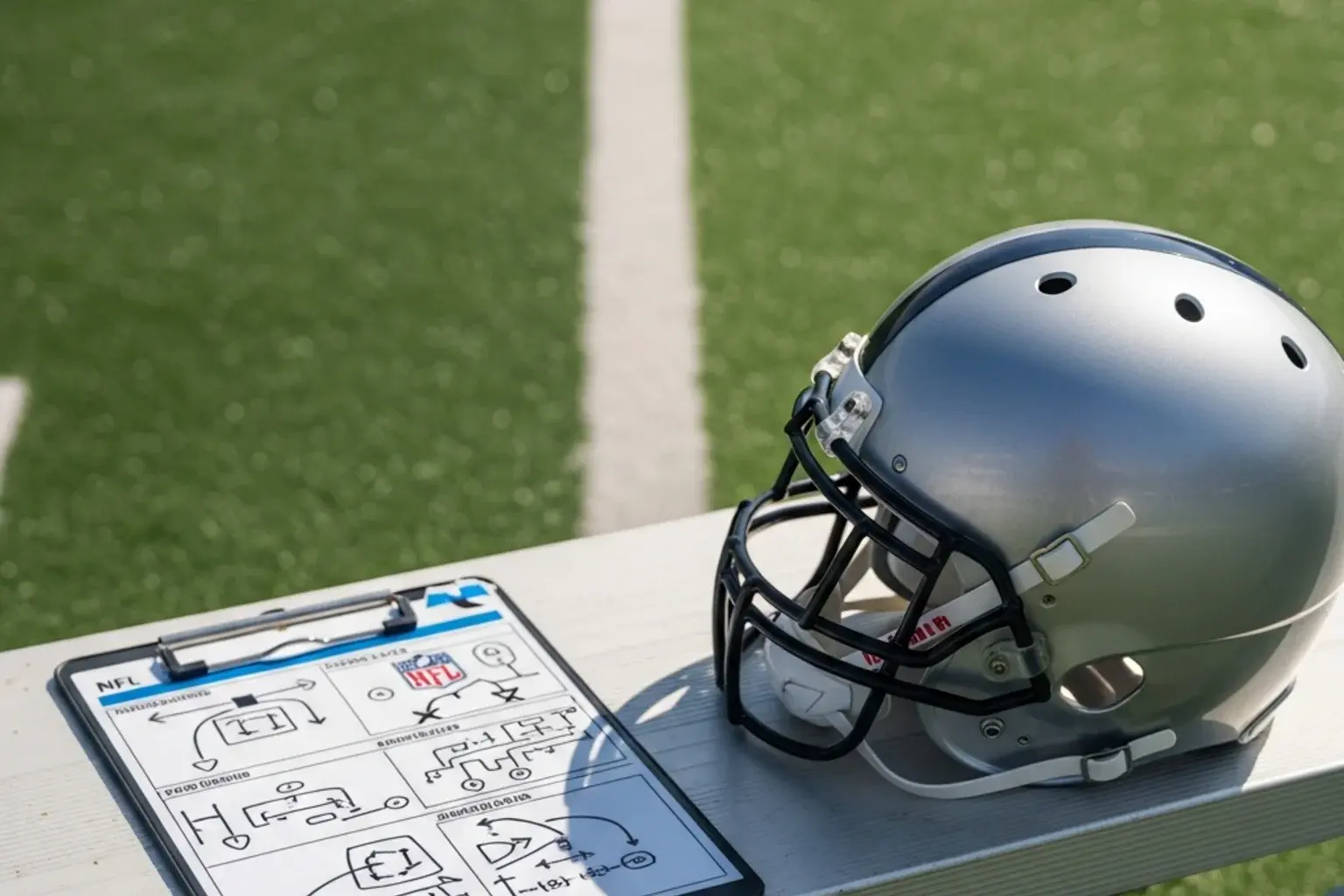
Former NFL executive Mike Lombardi once described American football as “chess on grass,” and nowhere is that comparison more apt than in the opening script. Offensive coordinators spend the entire week between games designing a sequence of plays meant to accomplish specific goals: identify the defensive scheme, test particular matchups, and establish the offensive identity the coordinator wants for that game.
The first 15 plays are typically fixed — called in sequence regardless of the defensive alignment, with minor adjustments at the line of scrimmage. After the scripted sequence runs out, the offence shifts to a reactive mode, calling plays based on what’s worked, what the defence has shown, and how the game is developing. That transition point is important because it means the first 15 plays are more predictable than anything that follows. The coordinator has decided in advance which players will touch the ball, which routes will be run, and which formations will be used.
For first touchdown scorer betting, this predictability is gold. If you can identify which players feature prominently in a team’s opening script, you have a genuine informational advantage over the market, which prices first TD odds based on season-long averages and general matchup data rather than play-call-level tendencies.
The number of scripted plays varies by coordinator. Some call as few as 10, while others plan up to 25. The league average sits around 15, and that number typically covers one to two full offensive possessions. If the opening drive is efficient and reaches the red zone, the scripted plays directly influence who has the first scoring opportunity. If the drive stalls and the team punts, the script continues on the second possession, which still falls within the window where pre-planned plays dominate.
How Scripted Plays Create Early Touchdown Opportunities
The connection between opening scripts and early touchdowns operates through two mechanisms: player targeting and play design.
Player targeting in the opening script reveals which skill players the coordinator trusts most in the specific matchup. Some teams consistently feature their number-one receiver in the first 5-7 plays, using quick passes and designed touches to establish him as the focal point. Others open with heavy run sets that funnel early carries to the featured back. By studying a team’s first-quarter tendencies across multiple games, you can identify whether the opening script favours a particular player or distributes touches more evenly.
Play design matters because scripted plays tend to be more aggressive than the average offensive playcall. Coordinators use the opening sequence to attack specific defensive weaknesses they’ve identified on film, which often includes red zone concepts deployed earlier in the drive than usual. Play-action passes off heavy run formation, screen plays designed to exploit an aggressive pass rush, and tempo-driven no-huddle sequences are all common scripted elements. When these aggressive designs succeed, they produce big plays and fast-scoring drives — exactly the conditions that create first touchdown opportunities.
The NFL’s massive viewership — 18.7 million average viewers per game in 2025, with 89 of the 100 most-watched TV programmes being NFL games — means that first-quarter action receives enormous attention. Bookmakers know this and price first TD scorer markets carefully, but they can’t fully account for the play-calling tendencies of every offensive coordinator’s opening script. That gap between general matchup pricing and specific script-level targeting is where your analysis adds value.
Where to Find and Use Opening Script Data
Accessing opening script data doesn’t require a coaching insider or a paid analytics subscription. Several publicly available sources provide the raw material you need to build useful profiles of each team’s first-quarter tendencies.
Play-by-play data from NFL.com and Pro Football Reference allows you to filter plays by quarter and drive number. Pull up the first two drives of each game for a given team across multiple weeks, and you’ll see patterns emerge: which players receive early touches, how the run-pass ratio shifts between home and away games, and whether the coordinator adjusts his script based on the opponent’s defensive tendencies.
Film study is the next level, and it’s more accessible than ever. YouTube channels and social media accounts dedicated to NFL coaching analysis frequently break down opening sequences. These breakdowns identify specific play designs — “this team has run play-action on their first red zone snap in 6 of 8 games” — which translate directly into first TD scorer analysis. You don’t need to be a football coach to recognise that a team consistently targets its tight end on the first red zone play; you just need to watch the right clips.
The practical workflow combines both sources. Early in the week, check the play-by-play data for the teams playing in your target games. Note which players received first-quarter touches and who was involved in any first-drive scoring plays. On Thursday and Friday, review any available film breakdowns for those matchups. By Saturday, you’ll have a picture of which players are likely to feature prominently in the opening script, and you can compare that profile against the available first touchdown scorer picks odds.
One important caveat: opening scripts change. Coordinators adjust their first-15 tendencies based on the opponent, the game plan, and the flow of the season. A team that opened with heavy run sets for the first eight weeks might shift to play-action heavy scripts after a bye week. The data is most reliable when you’re using the most recent 4-6 games as your baseline, with earlier games given less weight. Stale script data is worse than no data at all, because it creates false confidence in a pattern that no longer applies.